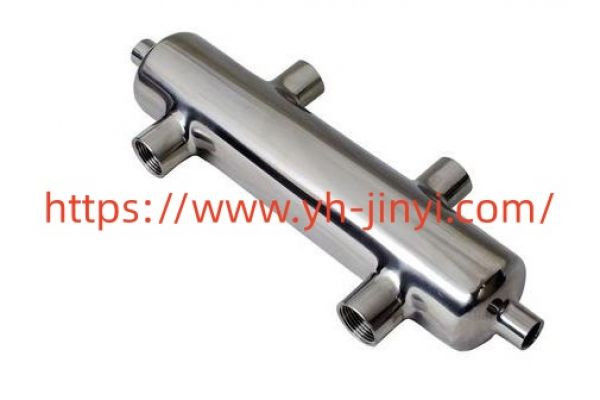
Decoupling Tank solutions are increasingly considered in modern building projects where energy efficiency and system stability are long term priorities. As heating and cooling demands become more varied across different zones, buildings require smarter ways to manage flow, temperature, and operational balance without unnecessary energy waste.
One major challenge in complex HVAC systems is maintaining stable water circulation when loads fluctuate. Different areas of a building may require heating or cooling at different times, causing pressure and flow variations. A hydraulic separation structure helps isolate these changes, allowing each circuit to respond independently while maintaining overall system harmony.
Energy efficiency is closely tied to how smoothly equipment operates. When pumps and heat sources are forced to constantly adjust to sudden demand shifts, energy usage can become uneven. Buffering components within the system help moderate these changes, supporting steadier operation and reducing inefficient cycling that often leads to higher energy consumption.
Another important factor is adaptability. Buildings rarely remain static throughout their service life. Usage patterns evolve, extensions are added, and system upgrades become necessary. Separation-based system designs make these adjustments easier, as new zones can be introduced without disrupting existing flow conditions or increasing operational strain.
From a maintenance perspective, balanced systems generally experience fewer performance issues. Stable pressure and temperature distribution reduce stress on pumps, valves, and heat exchangers. Over time, this consistency helps maintain predictable energy usage and minimizes interruptions that could affect building comfort or operational costs.
System designers also value the flexibility such solutions provide during planning stages. Primary and secondary loops can be sized according to actual demand rather than theoretical maximums. This approach helps avoid oversizing, which is a common contributor to inefficient energy use in commercial and residential buildings.
Manufacturers like JINYI focus on producing components that integrate smoothly into common building system layouts. Attention to material selection and structural reliability supports consistent performance within energy management systems. When properly selected, these components contribute to smoother daily operation without adding unnecessary complexity.
In energy focused construction and renovation projects, every detail matters. While often unseen after installation, hydraulic separation plays a meaningful role in supporting system efficiency, long term stability, and flexible building operation. Its contribution becomes more apparent as systems age and usage demands change.
To view a related product designed for building energy applications, visit https://www.yh-jinyi.com/product/decoupling-tank/