Laser Eye Surgery in Lahore has become one of the most trusted vision correction procedures for people who want to reduce their dependence on glasses or contact lenses. In 2026, modern laser technology, experienced ophthalmologists, and advanced diagnostic systems have made the procedure safer, faster, and more precise than ever before. Patients considering Laser Eye Surgery in Lahore often want to understand exactly what happens before, during, and after the treatment so they can feel confident about their decision.
Choosing Laser Eye Surgery in Lahore means receiving personalized eye care based on detailed examinations and advanced treatment planning. Every step of the process is carefully designed to improve vision while maintaining the highest standards of patient safety. From the initial consultation to complete recovery, each stage plays an important role in achieving clear and long-lasting visual results.
Understanding Laser Eye Surgery
Laser eye surgery is a refractive procedure that corrects common vision problems by reshaping the cornea. The cornea is the transparent front surface of the eye responsible for focusing light onto the retina. When its shape is irregular or does not focus light correctly, vision becomes blurry.
Modern laser technology reshapes the cornea with exceptional precision, allowing light to focus accurately on the retina. This correction helps improve nearsightedness, farsightedness, and astigmatism while reducing or eliminating the need for glasses or contact lenses.
Who Can Benefit from Laser Eye Surgery?
Laser eye surgery is suitable for many adults with stable vision and healthy eyes. Candidates usually have a consistent eyeglass prescription, healthy corneas, and realistic expectations about the procedure.
People with myopia, hyperopia, or astigmatism often experience significant improvements in vision after treatment. However, every patient must undergo a comprehensive eye examination before surgery to determine eligibility.
Individuals with certain medical conditions, severe dry eyes, or unstable vision may require alternative treatment options or delayed surgery.
Step 1: Initial Consultation
The first step begins with a detailed consultation with an experienced eye specialist.
During this appointment, the doctor discusses your medical history, previous eye conditions, medications, lifestyle, occupation, and vision goals.
Patients also have an opportunity to ask questions regarding the procedure, expected results, recovery time, and possible risks.
This consultation helps establish whether laser eye surgery is the most suitable solution for the patient's needs.
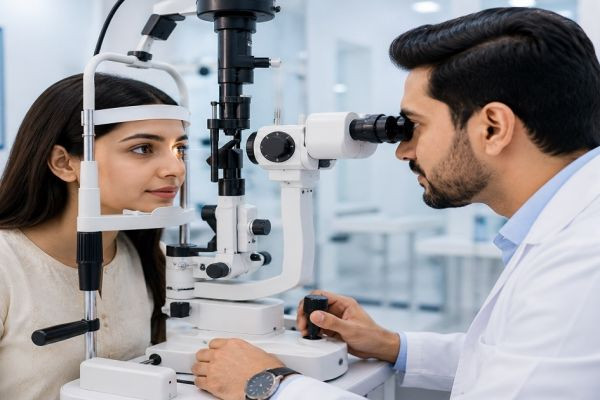
Step 2: Comprehensive Eye Examination
A thorough eye examination follows the consultation.
The specialist evaluates visual acuity, eye pressure, corneal thickness, pupil size, tear production, retinal health, and overall eye condition.
Advanced diagnostic equipment provides highly detailed measurements that guide treatment planning.
Digital corneal mapping creates an accurate image of the cornea, allowing surgeons to customize the laser treatment according to each patient's unique eye structure.
Only patients who meet safety criteria proceed to the next stage.
Step 3: Personalized Treatment Planning
Modern laser eye surgery is highly individualized.
Using information gathered during diagnostic testing, the surgeon develops a customized treatment plan designed specifically for the patient's eyes.
Wavefront-guided and topography-guided technologies analyze tiny imperfections that are unique to each eye.
This personalized approach improves visual accuracy while enhancing patient safety and long-term results.
Step 4: Preparing for Surgery
On the day of surgery, patients receive detailed instructions before entering the treatment room.
The eyes are cleaned carefully to reduce the risk of infection.
Anesthetic eye drops are applied to numb the eyes, ensuring the procedure remains comfortable.
Patients remain awake throughout surgery but do not experience significant pain.
A small device gently keeps the eyelids open to prevent blinking during treatment.
The medical team explains every stage before beginning the procedure, helping patients remain calm and comfortable.
Step 5: Positioning Under the Laser System
Patients lie comfortably beneath the laser equipment while the surgeon positions the eye accurately.
The laser system uses advanced imaging and computerized guidance to align treatment precisely with the patient's cornea.
Modern eye-tracking technology monitors even the smallest eye movements during surgery.
If the eye moves unexpectedly, the laser automatically adjusts or pauses treatment until proper alignment is restored.
These automated safety features improve treatment accuracy and patient confidence.
Step 6: Creating the Corneal Flap
For LASIK procedures, a thin corneal flap is created before reshaping begins.
Many modern clinics use femtosecond laser technology instead of traditional surgical blades.
The laser creates an extremely thin and precise flap that is gently lifted to expose the inner corneal tissue.
This stage usually takes only a few seconds.
Patients may notice slight pressure but generally experience little discomfort.
Not every laser procedure requires a corneal flap. Techniques such as PRK follow a different approach depending on individual suitability.
Step 7: Reshaping the Cornea
Once the cornea is prepared, the excimer laser begins reshaping the tissue.
The laser removes microscopic amounts of corneal tissue according to the customized treatment plan developed during pre-operative evaluation.
The laser itself works for only a short time.
Patients are usually asked to focus on a small target light while the computer-controlled system performs the correction.
Because the laser operates with exceptional precision, surrounding tissues remain unaffected.
This step permanently changes the corneal shape to improve vision.
Step 8: Completing the Procedure
After reshaping the cornea, the surgeon carefully returns the corneal flap to its original position if LASIK has been performed.
The flap naturally adheres without stitches.
The surgeon then examines the eye carefully to ensure proper positioning and treatment completion.
Protective eye shields may be provided before the patient leaves the clinic.
The entire procedure for both eyes generally takes less than thirty minutes, although actual laser treatment lasts only a few minutes.
Step 9: Immediate Recovery
Most patients rest briefly after surgery before returning home.
Vision often appears blurry immediately after treatment, which is completely normal.
Some individuals experience mild tearing, burning, or sensitivity to light during the first few hours.
The eye specialist provides lubricating drops and medications to support healing and improve comfort.
Patients should arrange transportation because driving immediately after surgery is not recommended.
Step 10: The First Twenty-Four Hours
Vision usually improves rapidly during the first day after surgery.
Patients are advised to rest, avoid rubbing their eyes, and use prescribed eye drops exactly as instructed.
Television, reading, and smartphone use should be limited during the initial recovery period to reduce eye strain.
Protective eye shields may be worn while sleeping to prevent accidental rubbing.
The first follow-up appointment often takes place within twenty-four hours to evaluate early healing.
Step 11: The First Week of Recovery
During the first week, vision continues becoming clearer.
Most patients return to office work and routine daily activities within a few days.
Swimming pools, dusty environments, eye makeup, and strenuous exercise should generally be avoided until approved by the surgeon.
Artificial tears help relieve temporary dryness while supporting healthy recovery.
Patients should continue attending scheduled follow-up appointments throughout the healing process.
Step 12: Long-Term Healing
Complete visual stabilization may take several weeks depending on the procedure performed and individual healing response.
Regular follow-up visits allow the surgeon to monitor recovery and confirm successful treatment.
Most patients achieve excellent long-term visual improvement while enjoying greater independence from corrective eyewear.
Although age-related vision changes may occur naturally later in life, laser correction provides lasting benefits for many individuals.
Safety Measures Used Throughout the Procedure
Modern laser eye surgery places strong emphasis on patient safety.
Every patient undergoes detailed screening before treatment begins.
Computer-guided laser systems improve precision while reducing human error.
Eye-tracking technology ensures accurate laser positioning throughout the procedure.
Strict sterilization protocols minimize infection risks.
Highly trained ophthalmologists monitor every stage of treatment, providing reassurance and expert care.
These safety measures have made laser eye surgery one of the most successful elective procedures available today.
Benefits of Modern Laser Eye Surgery
Patients often experience clearer distance vision with reduced dependence on glasses or contact lenses.
Daily activities such as driving, sports, reading, and work become more convenient.
Modern laser procedures require minimal recovery time and produce highly predictable results for suitable candidates.
Improved technology has also enhanced comfort, treatment accuracy, and patient satisfaction.
For many individuals, laser vision correction provides both practical and lifestyle benefits that continue for many years.
Caring for Your Eyes After Surgery
Proper aftercare plays a major role in successful healing. Patients should attend every follow-up appointment and follow medication instructions carefully. Protecting the eyes from dust, smoke, and direct sunlight helps support recovery. Maintaining good hydration and using lubricating eye drops reduce temporary dryness. Healthy eating, adequate sleep, and avoiding eye rubbing also contribute to successful healing.Long-term eye examinations remain important for monitoring overall eye health even after vision correction.
Laser Eye Surgery in Lahore follows a carefully planned step-by-step process that begins with comprehensive diagnostic testing and ends with long-term visual improvement. Every stage, from consultation and customized treatment planning to laser correction and follow-up care, is designed to maximize safety, precision, and patient comfort. In 2026, modern laser technology, experienced eye specialists, and advanced diagnostic systems have made Laser Eye Surgery in Lahore one of the safest and most effective options for correcting refractive errors. For suitable candidates, the procedure offers clearer vision, greater independence from glasses, and an improved quality of life through personalized, technology-driven eye care.
FAQs
How long does laser eye surgery take?
The complete procedure for both eyes usually takes less than thirty minutes, while the laser treatment itself lasts only a few minutes.
Is laser eye surgery painful?
No. Numbing eye drops are used before the procedure, so most patients experience only mild pressure rather than pain.
How soon will I notice better vision?
Many patients notice improved vision within the first twenty-four hours, although complete stabilization may take several weeks.
Can both eyes be treated on the same day?
Yes. In most cases, both eyes are treated during the same appointment.
Is laser eye surgery safe in 2026?
Yes. Advanced laser technology, computerized eye tracking, personalized treatment planning, and experienced surgeons have made the procedure highly safe for eligible patients.