Yogurt Cup Injection Mould plays a central role in determining how efficiently packaging lines operate and how well production costs are managed in modern dairy manufacturing. From cavity layout to cooling channel design, each detail within the mould contributes to overall productivity, material usage, and product consistency. For manufacturers seeking to remain competitive, understanding these design factors is becoming increasingly important.
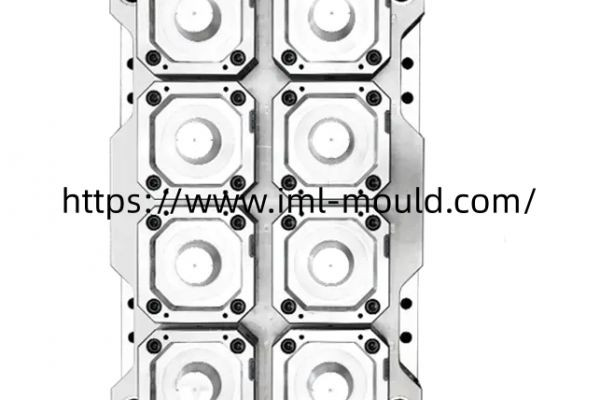
One of the primary influences on efficiency is the number of cavities within a mould. Multi cavity designs allow producers to manufacture more cups in a single cycle, which can improve output without requiring additional machines. However, increasing cavity count also requires careful balancing of material flow and pressure distribution. If not properly managed, uneven filling may lead to defects, increasing waste and affecting cost control.
Cooling system design is another critical factor. Efficient cooling reduces cycle time, enabling faster production while maintaining product shape and strength. Poor cooling layout can lead to warping or inconsistent wall thickness, which may result in higher rejection rates. By optimizing cooling channels, manufacturers can achieve a more stable process and reduce unnecessary delays in production.
Material selection and mould precision also influence cost performance. High precision tooling helps ensure consistent cup thickness, which directly affects resin consumption. Even small variations in thickness can lead to increased material usage over time. By maintaining tight tolerances, manufacturers are able to produce packaging that meets functional requirements without excessive material input.
In addition, gate design and runner systems play an important role in minimizing waste. Well designed systems help control how molten plastic enters the cavity, reducing defects such as air traps or incomplete filling. This contributes to smoother production and less rework, both of which are important for maintaining cost efficiency in large scale operations.
For buyers, evaluating a mould supplier involves more than just comparing initial pricing. Factors such as design support, manufacturing capability, and after sales service all contribute to long term value. Hengqi focuses on providing tailored mould solutions that align with different production needs, helping customers balance efficiency and cost considerations in practical applications.
Another aspect to consider is adaptability. Packaging trends continue to evolve, with changing cup shapes, sizes, and labeling requirements. A well designed mould should allow for adjustments or upgrades when needed, helping businesses respond to market changes without replacing entire systems. This flexibility can support long term planning and reduce future investment pressure.
Maintenance is equally important in preserving mould performance. Regular inspection and proper handling can extend service life and maintain consistent production quality. Choosing a supplier that offers technical guidance and support can make daily operations more manageable and reduce unexpected downtime.
As the dairy packaging sector continues to develop, manufacturers are paying closer attention to how tooling decisions affect both efficiency and cost. By focusing on thoughtful design and reliable production processes, businesses can build a more stable and sustainable packaging workflow. For more information about mould solutions and technical support, visit https://www.iml-mould.com/