Important Announcement
Title, thumbnail ya video me agar abusing, adult ya sexually explicit content paya gaya to channel bina kisi warning ke permanent delete kar diya jayega. Yeh rule turant lagu hai. Ab tak 350+ channels delete kiye ja chuke hain. Kripya kisi bhi prakar ka adult ya abusive content upload na karein. Rule violate hone par channel bina bataye delete ho jayega.
— Team ApnaTube
Clipo Create
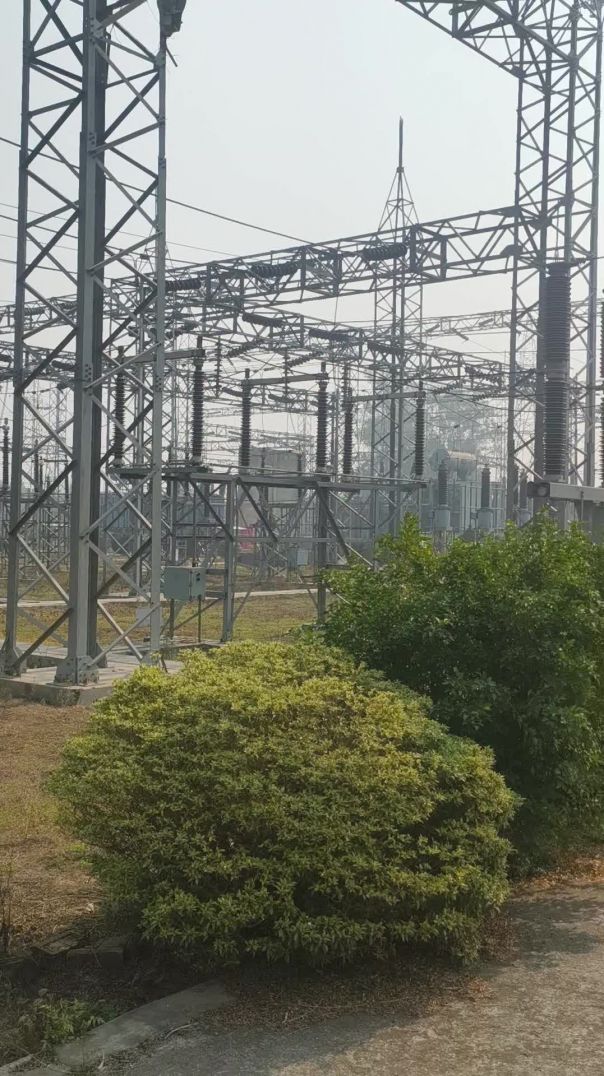
220 kV Substation – Detailed Description
A 220 kV substation is an important part of the electrical power transmission and distribution system. It acts as a major point where high-voltage electrical power is received from generating stations and then transmitted or stepped down to lower voltages for distribution to cities, industries, and rural areas.
In the power system, electricity generated at power plants is transmitted over long distances through high-voltage transmission lines. The use of high voltage such as 220 kilovolts (kV) helps in reducing power losses during transmission. When the electricity reaches a substation, the voltage is either switched to different transmission lines or reduced to lower voltage levels for further distribution.
Purpose of a 220 kV Substation
The primary purpose of a 220 kV substation is to control, protect, and distribute electrical power safely and efficiently. It performs several essential functions in the power grid, such as voltage transformation, switching operations, fault protection, and monitoring of the power flow.
A typical 220 kV substation may receive power from 400 kV or 220 kV transmission lines and then step it down to 132 kV, 66 kV, or 33 kV depending on the regional power distribution requirements.
Major Components of a 220 kV Substation
A 220 kV substation consists of many electrical and mechanical components that work together to ensure the safe transmission and distribution of electricity.
1. Power Transformers
Power transformers are one of the most important components of a substation. Their main function is to step down the voltage level from 220 kV to lower voltages such as 132 kV, 66 kV, or 33 kV. These transformers are large, oil-filled machines designed to handle high electrical loads.
2. Circuit Breakers
Circuit breakers are protective devices used to interrupt electrical current during faults or abnormal conditions. In a 220 kV substation, SF6 circuit breakers are commonly used because they can safely interrupt very high currents.
3. Isolators (Disconnect Switches)
Isolators are used to disconnect equipment from the power system for maintenance purposes. Unlike circuit breakers, isolators are operated only when the circuit is already de-energized.
4. Busbars
Busbars are metallic conductors used to collect electrical power from incoming feeders and distribute it to outgoing feeders. They act as a common connection point within the substation.
5. Current Transformers (CT)
Current transformers are used to measure and monitor the current flowing in the transmission lines. They also provide signals to protective relays.
6. Potential Transformers (PT)
Potential transformers reduce high voltages to a safe level so that measuring instruments and protective relays can monitor system voltage.
7. Lightning Arresters
Lightning arresters protect the substation equipment from lightning strikes and voltage surges. They safely divert excessive voltage to the ground.
8. Protective Relays
Protective relays continuously monitor electrical parameters and detect faults such as short circuits, overloads, and earth faults. When a fault is detected, the relay sends a signal to trip the circuit breaker.
9. Control Room
The control room is the operational center of the substation. It contains control panels, protection relays, monitoring systems, and communication equipment used to control the entire substation.
Operation of a 220 kV Substation
The operation of a 220 kV substation begins when high-voltage power enters through incoming transmission lines. The power is then connected to the busbar system, which distributes electricity to transformers and outgoing feeders.
Transformers reduce the voltage level to a suitable value, after which the electricity is sent to lower voltage substations or distribution networks. The entire system is monitored continuously using SCADA (Supervisory Control and Data Acquisition) systems.
Importance of 220 kV Substations
220 kV substations play a crucial role in maintaining the stability and reliability of the power grid. They help ensure that electricity is delivered safely and efficiently to consumers. Without substations, it would not be possible to transmit power over long distances or distribute it to different regions.
These substations also provide protection, voltage regulation, and load management, which are essential for the smooth operation of the electrical power system.
Safety Measures in Substations
Safety is extremely important in a 220 kV substation due to the presence of very high voltages. Proper grounding systems, protective equipment, fencing, and safety protocols are implemented to protect workers and equipment.
Personnel working in substations must follow strict procedures and use protective gear such as insulated gloves, helmets, and safety tools.
Conclusion
A 220 kV substation is a vital component of modern electrical infrastructure. It ensures efficient transmission, transformation, protection, and distribution of electrical power. By managing high-voltage electricity safely and effectively, substations play a key role in delivering reliable power to industries, businesses, and households.

0
1
2
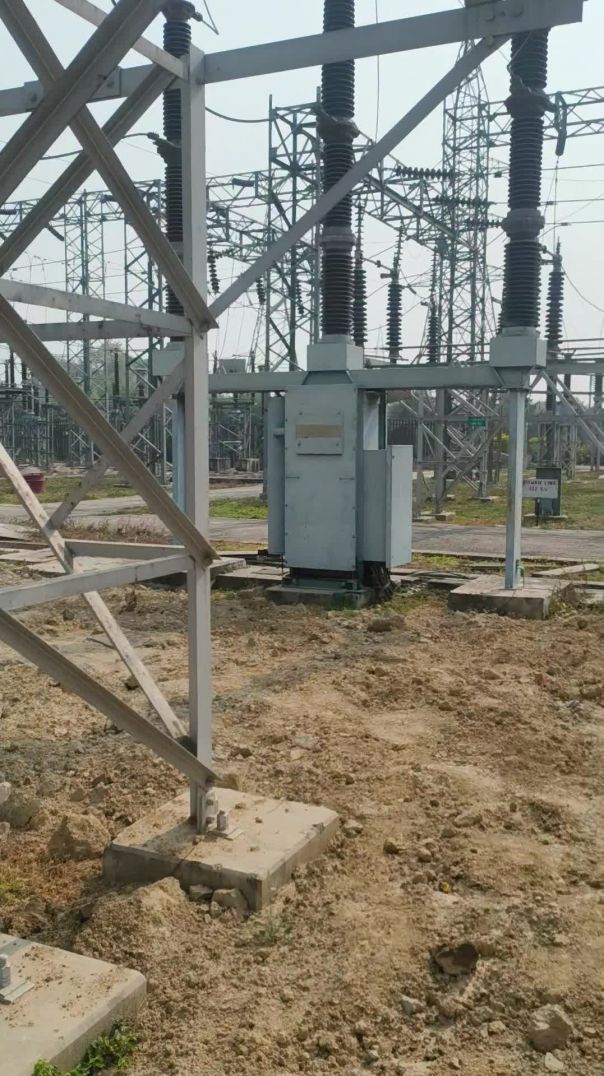
Title
220 kV Electrical Substation Complete Overview | Power Transmission Grid Station | Transformer, Circuit Breaker, Busbar, Isolator Working Explained | High Voltage Power System Engineering | Electrical Infrastructure Technology
Description
This video presents a detailed overview of a 220 kV electrical substation, one of the most important parts of modern power transmission and distribution systems. A 220 kilovolt substation plays a critical role in transmitting high voltage electricity over long distances and distributing it safely to lower voltage networks that supply cities, industries, and rural areas.
In a large electrical power system, electricity is generated at power plants and then transmitted through high-voltage transmission lines. High voltage transmission such as 220 kV is used because it significantly reduces transmission losses and improves efficiency over long distances. When electricity reaches a substation, it is controlled, protected, monitored, and distributed to other transmission or distribution networks.
A 220 kV grid substation contains many important components such as power transformers, circuit breakers, isolators, busbars, current transformers, potential transformers, lightning arresters, protection relays, and control panels. All of these components work together to ensure reliable power supply and safe operation of the electrical grid.
Power transformers inside the substation are used to step down voltage levels from 220 kV to lower voltage levels such as 132 kV, 66 kV, or 33 kV depending on the distribution network requirements. These transformers handle extremely high electrical loads and are designed for continuous operation in power systems.
Circuit breakers are essential protection devices used to interrupt electrical current when faults occur. Modern 220 kV substations commonly use SF6 circuit breakers, which are capable of interrupting very high fault currents safely and quickly.
Isolators, also called disconnect switches, are used to isolate electrical equipment during maintenance. They provide visible isolation so engineers and technicians can safely work on equipment.
Busbars act as the central connection point of the substation. Incoming power lines connect to the busbar system, and from there electricity is distributed to transformers and outgoing feeders.
Current transformers (CT) and potential transformers (PT) are measurement devices used to monitor electrical parameters such as current and voltage. These instruments supply accurate signals to protective relays and monitoring equipment.
Lightning arresters protect the substation equipment from high voltage surges caused by lightning strikes or switching operations. These devices safely divert surge energy to the ground.
Protection relays constantly monitor system conditions. If abnormal conditions such as short circuits, overloads, or earth faults are detected, the relays immediately signal the circuit breakers to trip and isolate the faulted section.
Modern substations also use SCADA (Supervisory Control and Data Acquisition) systems that allow engineers to monitor and control equipment remotely from a central control room.
A well designed 220 kV substation ensures reliable power supply, system stability, and safe operation of the electrical network. These substations are essential infrastructure for national power grids and play a vital role in delivering electricity to homes, industries, hospitals, and commercial facilities.
Understanding how substations work is extremely important for electrical engineering students, power system engineers, technicians, and anyone interested in high voltage power systems and energy infrastructure.
This video demonstrates the equipment, structure, and working principles of a 220 kV electrical substation and explains how power flows through the grid from generation to distribution.
Tags
220kv substation
220 kv substation working
220kv grid station
220kv switchyard
electrical substation
electrical substation working
power transmission system
power distribution system
high voltage substation
power grid station
substation engineering
electrical engineering
power engineering
substation equipment
power transformer
transformer in substation
circuit breaker working
sf6 circuit breaker
busbar in substation
isolator switch
disconnect switch electrical
current transformer ct
potential transformer pt
lightning arrester working
protection relay
substation protection system
switchgear system
electrical power system
power transmission lines
electric power network
power system technology
substation operation
substation maintenance
grid substation operation
electrical infrastructure
electric power transmission
electric power distribution
high voltage engineering
electrical grid system
power grid infrastructure
energy transmission system
power station engineering
substation automation
scada power system
grid control system
electrical network technology
industrial power systems
electrical power industry
electric utility infrastructure
modern electrical grid
smart grid technology
electrical engineering technology
power engineering concepts
electrical engineering students
power system training
grid station equipment
electrical switchyard
high voltage power station
transformer yard
electrical control room
grid station operation
energy infrastructure system
power distribution network
electrical grid technology
power system protection
energy engineering technology
power network engineering
electric power technology
substation design engineering
substation electrical equipment
220kv power station
220kv power grid
220kv transformer station
220kv electrical infrastructure
220kv transmission station
220kv power network
220kv electrical engineering
220kv grid infrastructure
220kv high voltage station
220kv power transmission network
high voltage power engineering
electric grid substation
electrical switchgear system
power engineering education
power transmission engineering
electric grid infrastructure technology
0
1
2